
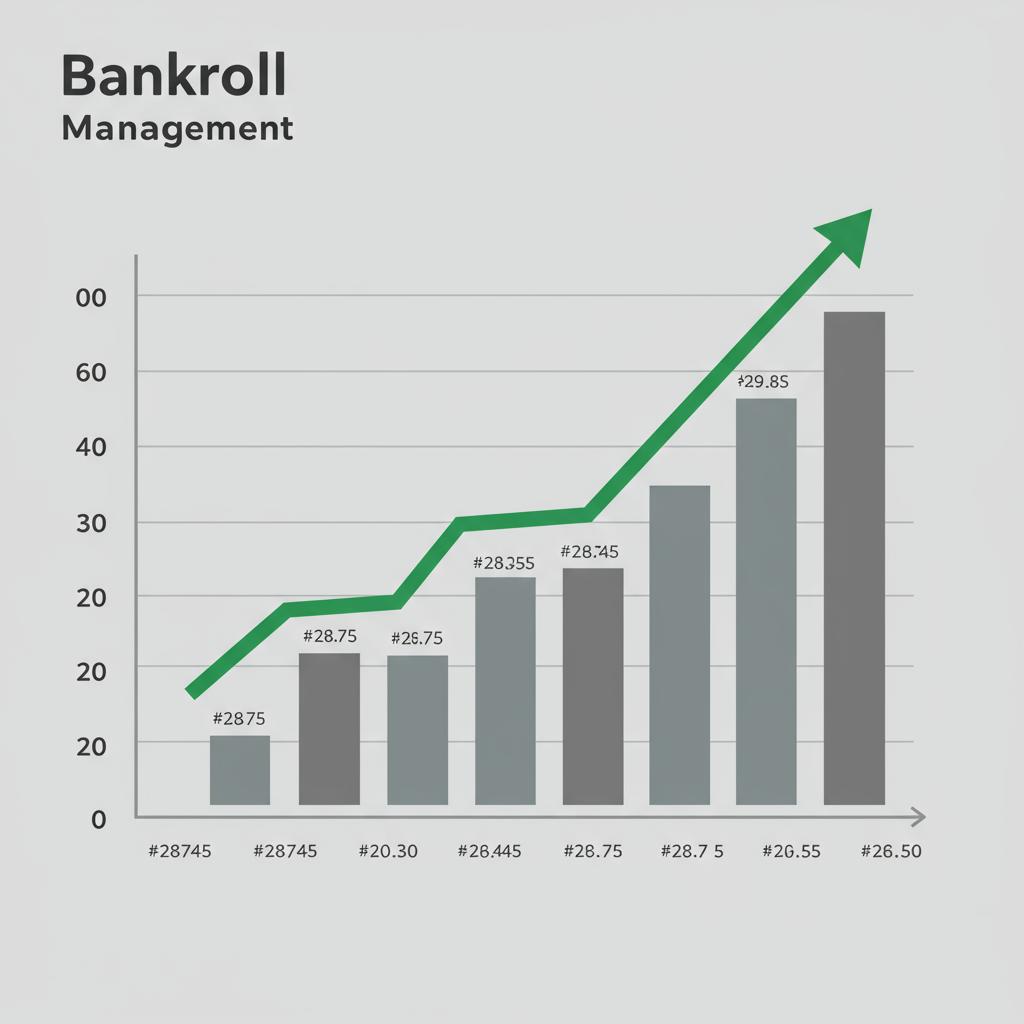
Moving up is often discussed as a reward for recent results. A better study question is: what would justify the change, and what would make you reconsider? Short runs can be noisy. Stakes also change the decisions, opponents, and financial exposure you face.
Separate three questions
- What have you learned? Review hands from your current games. Identify recurring decisions you can explain, and situations where you are still unsure. A positive result alone is not a skill measurement.
- What can you afford to risk? Set limits that reflect your own circumstances. Money needed for living costs should not become a study experiment. If a loss would cause distress, stepping back is a sound option.
- What is different at the next level? Game format, rake, effective stacks, and opponent tendencies may change. Avoid assuming that a line which worked in one game transfers unchanged to another.
Make the decision reviewable
Write down your reason for trying a higher stake, the information you are relying on, and the conditions under which you would return to the previous game or stop playing. Review this note after the session, when the result is no longer immediate. A plan can help you recognize whether you followed your own limits; it cannot remove variance or guarantee an outcome.
For practice, choose one hand you found difficult and reconstruct the decision with positions, stacks, actions, and available information. Compare plausible options before looking at the result. This is an educational exercise, not personal financial or wagering advice.
KEEP STUDYING
Bring a specific spot.
These notes are study prompts. Decisions depend on format, positions, effective stacks, and the information available in a hand.